
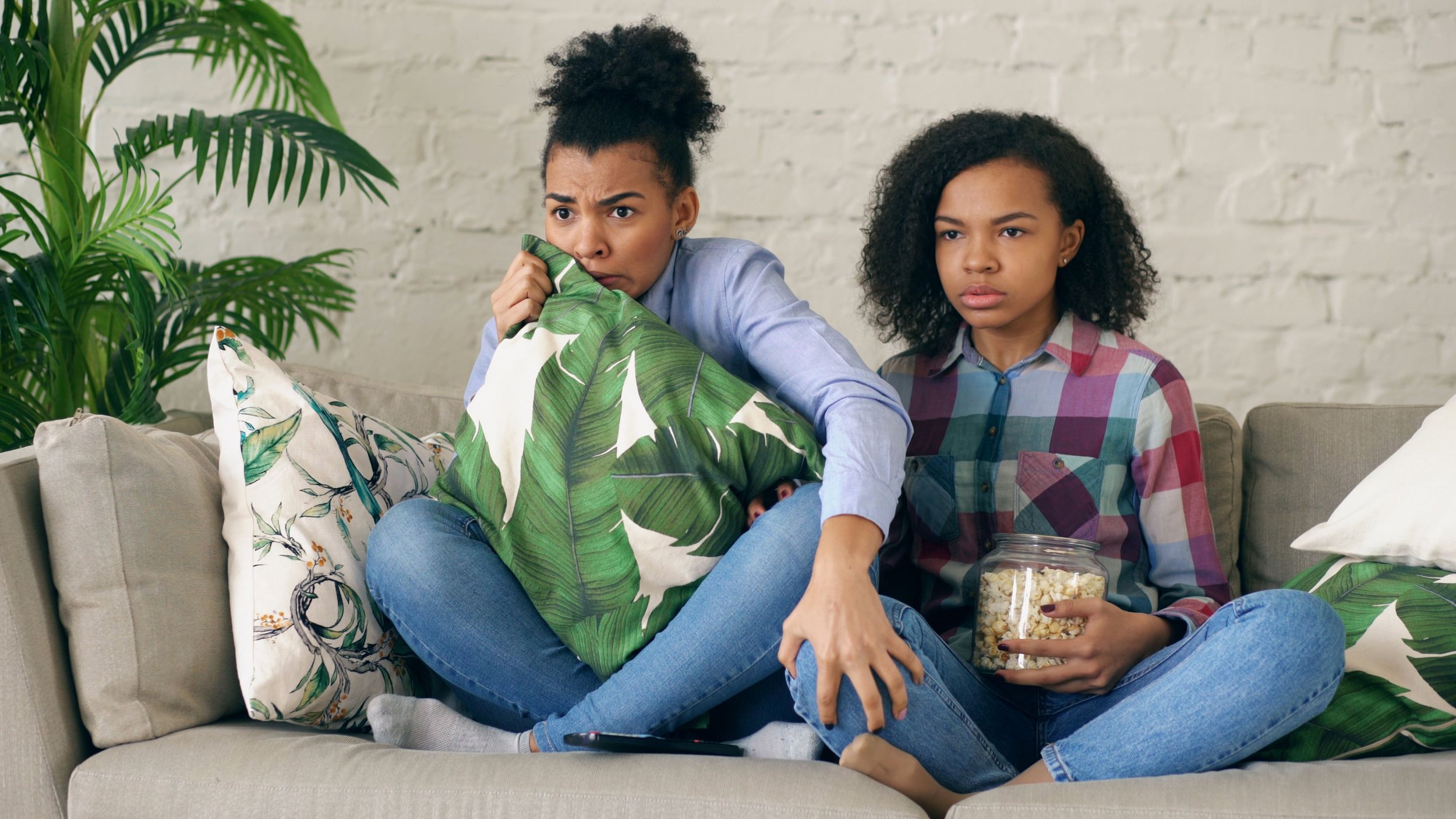
Parents are being urged to stick to age-appropriate films this Halloween, as intense horror can leave children struggling to sleep, afraid to be alone or replaying frightening scenes long after the screen goes dark…
The warning comes after UK research published on October 27th found that 54% of parents of under-18s said their child asks to watch horror rated above their age.
Natalie Buchwald, a psychotherapist and licensed mental health counselor at Manhattan Mental Health Counseling, warns parents against judging a film’s impact only by how their child behaves while watching.
She said: “A child may laugh along with everyone else, then become frightened when they are alone in bed. Getting through a film without crying does not mean it has not upset them.”
Fear produces a real physical response. The body releases stress hormones such as adrenaline, which can make the heart beat faster and increase sweating. Children may also feel shaky, breathe more quickly, or develop an unsettled stomach. Knowing the story is fictional does not necessarily stop those sensations.
For children with vivid imaginations, frightening images can also provide material for nightmares, particularly when they watch close to bedtime. Characters and scenes can reappear in dreams after the film has ended.
She explained: “A shadow in the bedroom or a noise in the hallway can remind a child of something they watched earlier. What seemed manageable with the lights on and family around can feel very different in a quiet, dark room.”
Parents may notice new demands to leave the light on, reluctance to go upstairs alone, repeated questions about a frightening scene, or difficulty settling to sleep. Some children remain preoccupied for days and may not connect their feelings with what they watched.
That is why Natalie urges parents to choose films suitable for their child’s age, even when they insist they are ready for something scarier.
Age ratings consider factors such as the intensity, frequency and duration of frightening scenes. Parents should also read the detailed content advice: even a PG film can unsettle a sensitive child, while realistic threats can be particularly disturbing because they seem possible outside the screen.
She urged: “Do not turn Halloween viewing into a bravery test or let an older sibling’s choice decide what a younger child watches. Watch together and make it clear that anyone can ask to stop without being teased.”
Natalie recommends leaving time for a calm bedtime routine, rather than moving straight from frightening scenes to lights out.
She added: “If your child becomes frightened later, ask what is bothering them before dismissing it as ‘only a film’. Explain how the scene was made, reassure them that they are safe, and help them settle with something familiar and calming.”
Parents should speak to their GP if nightmares become frequent or fears begin interfering with everyday life.
TRENDING


Parents are being urged to stick to age-appropriate films this Halloween, as intense horror can leave children struggling to sleep, afraid to be alone or replaying frightening scenes long after the screen goes dark…