
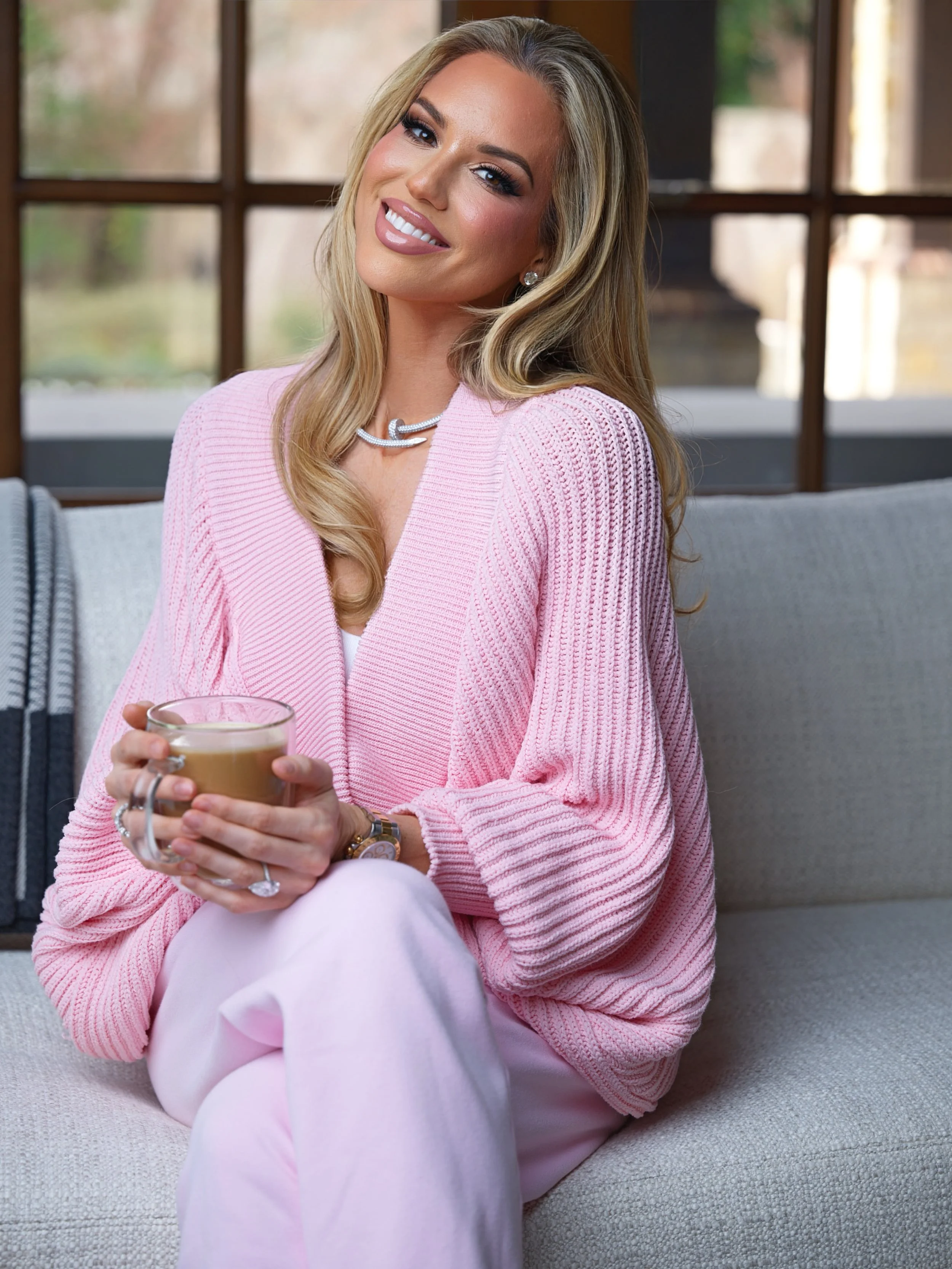
The dancer and Co-Founder of the Daniel and Marcealla Nutkis Foundation talks to SEELE about her early life in Brooklyn, discovering the power of dance, why she’s helping emerging artists, and legacy she’s building…
I met Marcella Raneri Nutkis on Halloween weekend in Dallas. She and her husband Daniel were throwing their foundation’s annual emerging awards for artists. They say real beauty comes from a good heart- inner beauty. Tall and glowing, I found Marcella genuinely beautiful inside and out. She gives of her time and attention to those she cares about.
Half Viennese and half Italian-American, Marcella grew in Brooklyn but moved to Dallas. By 18, she was a dancer for the Dallas Mavericks basketball team. She has also been on “So You Think You Can Dance” and Netflix’s “Dancing Queen.” She opens up about her journey and the highlights that make her who she is today:
From Brooklyn to Dallas: Finding Her Footing
Seele Magazine: You moved from Brooklyn to Dallas as a child. That's quite a cultural transition! What was that experience like for you growing up, and how did those early years shape the woman you would eventually become?
Marcella Raneri: I was actually so young when we moved from Brooklyn to Dallas that I don’t really remember the transition! Dallas is truly where I grew up and where so much of my story began.
I started dancing when I was just two years old, and it quickly became the center of my world. I was fortunate to discover something I loved so early in life, and even more fortunate to have
people around me who encouraged that passion.
Looking back, I think growing up immersed in dance shaped so much of who I am today. It taught me discipline, perseverance, creativity, and, most importantly, gave me a place where I felt
completely myself.
Discovering the Power of Dance
When did dance become more than something you enjoyed and begin to feel like something you were meant to pursue?
MR: Honestly, I don’t think there was ever a moment when I decided I wanted to become a dancer. It was just something I always knew. Dance was my first true love. It’s part of my soul, and I genuinely don’t know who I would be without it. Growing up, it was the one place where I always felt like I truly belonged. I loved everything about it, especially being on stage and performing. There’s a feeling I get when I’m dancing that I’ve never quite been able to find anywhere else. It was never simply something I did. It was who I was, and in so many ways, it still is.
SM: You went on to become an NBA dancer for the Dallas Mavericks, performing in front of thousands of people. What did that chapter teach you about discipline, confidence, teamwork, and performing under pressure?
MR: The Dallas Mavericks were actually my very first professional dance job! I auditioned before I had even graduated high school, so it was an incredibly exciting moment for me. I grew up in a very competitive, pre-professional dance environment, so discipline, hard work, and performing under pressure were already second nature. But booking that first professional job felt different. It was a moment of validation, almost like confirmation that I was on the right path.
And of course, I absolutely loved the energy of performing in front of thousands of people! There’s nothing quite like it. That experience strengthened my confidence and reinforced something I had always believed: dance wasn’t just my passion. It was what I wanted to do with my life.
SM: How did it shape your understanding of the entertainment industry?
MR: One of the biggest lessons I learned was just how incredibly competitive the entertainment industry really is. It’s one thing to love what you do, but it’s another thing entirely to figure out how to make a living doing it.
As a dancer, you’re constantly auditioning and chasing the next opportunity. You finally book a job, you’re so excited, you’re doing what you love, and then that job ends and you’re right back to auditioning for the next one. And sometimes you can be incredibly talented and still not get the job simply because you’re not what they’re looking for at that particular moment.
It takes tremendous perseverance, resilience, and hustle to build a sustainable career in the arts. There’s a reason the term “starving artist” exists! I think that experience gave me a real appreciation for how much artists sacrifice to pursue something they love. It’s also a big part of why creating opportunities for emerging artists means so much to me today.
Life Beyond the Spotlight
SM: You've experienced life as a dancer and television personality, where much of the attention is often on the performance and the person in front of the camera. What has life behind the scenes taught you about success, identity, and what truly matters beyond public recognition?
MR: I think my definition of success has evolved over the years, but I wouldn’t say it’s completely changed. When I was younger, so much of my focus was on pursuing my dreams, booking the next job, performing, and building a career doing something I absolutely loved. And honestly, that part of me hasn’t gone away! I still love performing, creating, and the excitement of bringing something to life.
But as I’ve gotten older, I’ve realized that success is about so much more than personal accomplishments or recognition. It’s also about the relationships you build, the people you love, finding happiness and purpose, and having a positive impact on the people around you. What I love about this chapter of my life is that I haven’t had to leave behind the things I’m passionate about. I’ve simply found new ways to express them. And there’s something really fulfilling about that.
Partnership in Life and Purpose
SM: You and your husband, Daniel have built something together that extends beyond your individual careers. How did the two of you discover this shared passion for supporting artists, and what does it look like to build a marriage and a mission alongside one another?
MR: It was actually Daniel’s idea, which makes this whole journey even more special to me. Dance and the arts have been such a huge part of my life, and giving back has always been important to me. Even when I was teaching and choreographing, one of the most rewarding things was helping young dancers grow, believe in themselves, and discover what they were capable of.
I’ve also always loved throwing parties and creating these elaborate, imaginative experiences. So one day Daniel said, “Why don’t we take something you already love doing and connect it to something that really means a lot to you?” And that’s really where it all began. I’ve been incredibly blessed, especially in this chapter of my life, and having the opportunity to give back on a much larger scale is something I don’t take for granted. This has become a wonderful way for me to stay connected to the world I love while supporting the next generation of artists. The fact that Daniel recognized that passion in me and wanted to help turn it into something bigger makes it all the more meaningful.
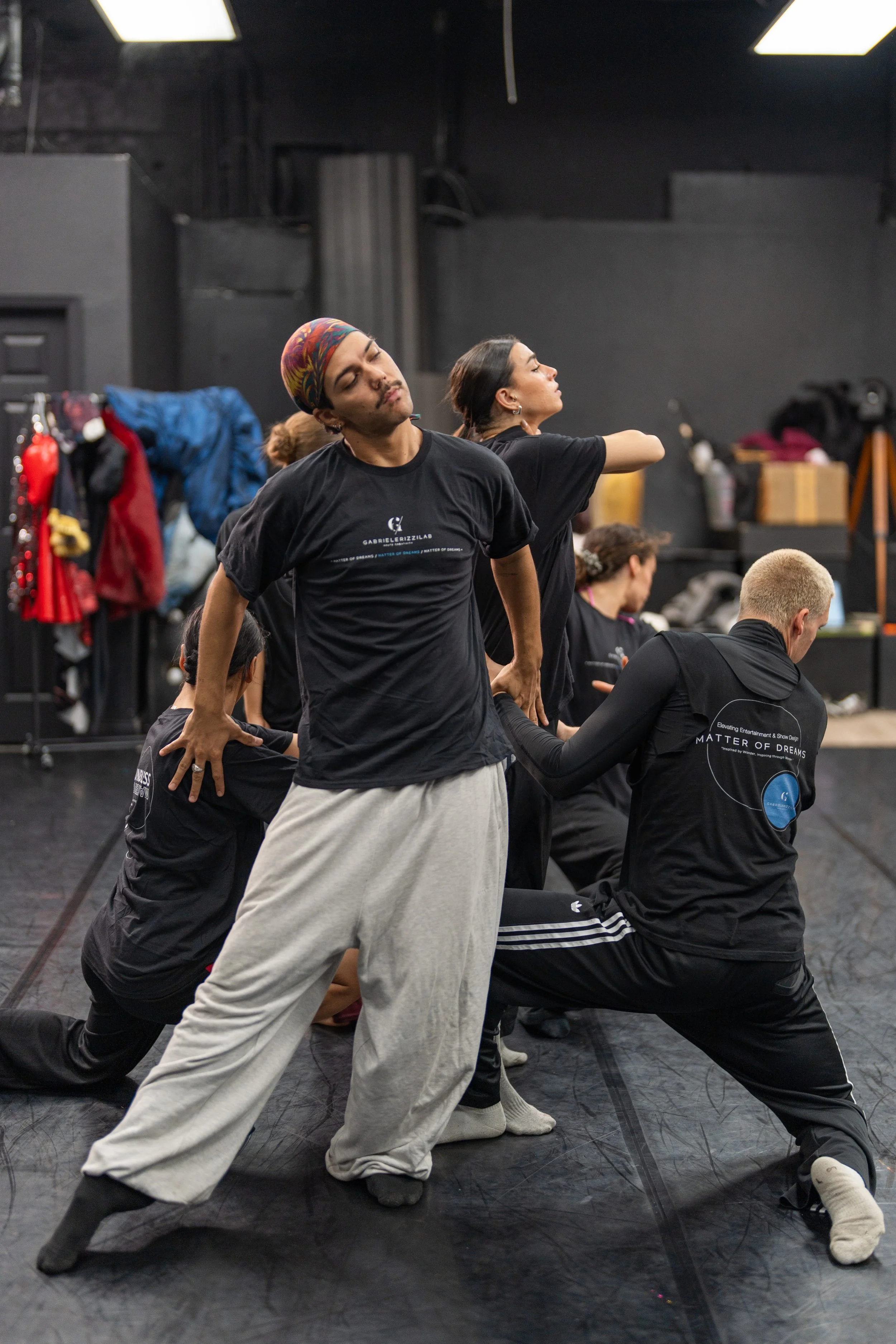
Marcella and her husband’s foundation is allowing young emerging artists to have a financial platform for their craft | Photo Credit: PTaufiq Photography
The Heart Behind Giving Back
SM: Through your foundation, you and Daniel are creating opportunities for artists through paid support, unrestricted grants, and artist-development initiatives. What inspired you to move from simply appreciating the arts to actively investing in the people who create them?
MR: I think it comes from how much the arts have given me throughout my life. Dance was so much more than something I loved doing. It was my safe place growing up, somewhere I felt accepted, understood, and completely myself. And when I became a teacher and choreographer, one of the most rewarding parts wasn’t necessarily watching my dancers win competitions or master a difficult routine, although of course I loved those moments! It was knowing that I could make a positive impact on their lives. That I could create an environment where they felt safe, encouraged, accepted, and believed in. I think every young person deserves to experience that feeling of belonging.
So, for me, supporting emerging artists goes beyond helping someone develop their talent. It’s about giving them confidence, encouragement, and the opportunity to discover what they’re truly capable of.
SM: Was there something missing in your own journey that made you realize how important this kind of support is?
MR: I was actually incredibly fortunate to have an amazing support system throughout my entire journey. My family, teachers, and the people around me always believed in me, even during the moments when I doubted myself or wanted to give up? And believe me, there were definitely those moments!
But I always had people encouraging me, pushing me to keep going, and reminding me why I fell in love with dance in the first place. Looking back, I realize how valuable that support was. Not every young artist has people in their corner helping them navigate such a challenging industry. So rather than feeling that something was missing from my own journey, I think my inspiration comes from wanting to give others something I was so fortunate to have. Someone who believes in them, encourages them, and helps them keep going when things get difficult. Because sometimes having just one person in your corner can make all the difference.
Changing the Landscape for Emerging Artists
SM: Your national artist-development program has launched with a focus on choreography and movement, alongside paid artist support, unrestricted grants, and a new Emerging Artist Scout Program. Why did you choose to focus on these areas, and what do you believe emerging artists need most today that the traditional arts industry isn't necessarily providing?
MR: Choreography and movement were a natural place for us to begin because that’s where my heart is. It’s the world I grew up in, the career I built, and something I will always be passionate about.
But my hope is that this is just the beginning. I think emerging artists need more than recognition. Financial support is important, but so are mentorship, exposure, professional opportunities, and access to people who can help guide them through the industry.
We want to do more than simply tell someone they’re talented. We want to help them take the next step toward building a career doing what they love. Whether that’s through financial awards, industry connections, mentorship, or hopefully opening doors to future professional opportunities, I think all of those things are valuable. And as the foundation grows, I would love to expand into other areas of the arts. Ultimately, my hope is that the support we provide becomes a stepping stone toward something much bigger for these artists.
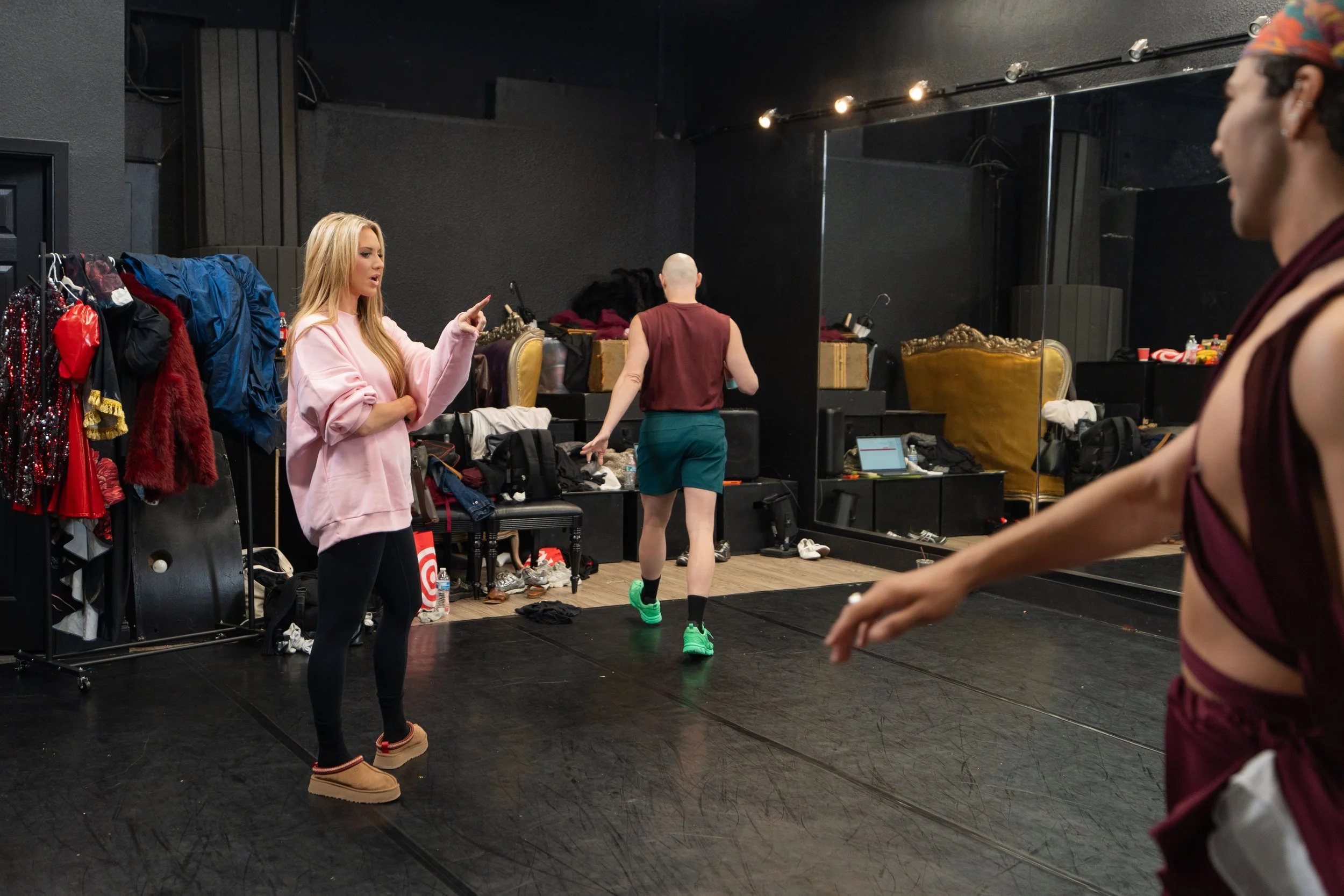
Marcella choreographing dancers for the 2026 D&M Emerging Artist Awards in Dallas | Photo Credit: PTaufiq Photography
The 2026 D&M Emerging Artist Awards
SM: The 2026 D&M Emerging Artist Awards made their debut during Through the Looking Glass, your Alice in Wonderland-inspired Halloween experience. Five selected artists were a part of an immersive creative environment involving performance, scenic design, installation, hospitality, music, and visual storytelling. Why did you choose this imaginative setting as the first public platform for the awards, and what do you hope these five artists take away from the experience?
MR: I’ve always loved Halloween and creating these elaborate, imaginative experiences, so combining
that with something meaningful felt like such a natural fit. And honestly, Alice in Wonderland was the perfect theme! It’s a world built around imagination, creativity, and the idea that anything is possible. I thought that was such a beautiful connection to celebrating emerging artists and their dreams. But one of my favorite moments of the entire evening was actually backstage with our five artists. It was so funny because I suddenly found myself getting nervous for them, just like I used to get nervous for my dancers when I was teaching and choreographing!
We had asked a lot of them in a very short amount of time, and I knew how much work they had put into bringing everything together. I was so proud watching them perform. They did an incredible job, and seeing their talent and creativity come to life was one of the most rewarding parts of the evening for me. More than anything, I hope they walked away feeling celebrated, appreciated, and excited about their futures. And I sincerely hope this is just the beginning of our relationship with them.
Redefining What It Means to Give Artists a Platform
SM: One of the interesting things about your initiative is that you're not simply offering artists a moment in the spotlight; you're creating opportunities for them to be compensated, supported, discovered, and developed. Why is it important to you that artists are not just celebrated for their creativity but also financially invested in? What would you like to see change in the way society values creative talent?
MR: Honestly, if I had been given an opportunity like this when I was a young dancer, I probably would have jumped at the chance. When you’re passionate about something and trying to establish yourself in the industry, sometimes the experience, exposure, and opportunity to showcase your work can be incredibly valuable. And I don’t think there’s anything wrong with that.
But having been on that side of the industry, I also understand how much time, dedication, and hard work goes into creating something special.
So, for us, it was important to go a step further and make sure these artists were compensated for their work. We wanted them to feel appreciated in every possible way, not just for their talent, but for their creativity, commitment, and the time they invested. Opportunities that offer both professional exposure and financial support aren’t always easy to come by in the arts.
And if we’re fortunate enough to provide both, why wouldn’t we? I want these artists to know that their work has value and that we genuinely believe in what they’re capable of accomplishing.
The Legacy You're Building
SM: When you look back at the little girl who moved from Brooklyn to Dallas, eventually became a professional dancer, and built a life in the entertainment world, what do you think she would say about the woman you've become?
MR: I think she’d be really proud! Even as a little girl, I always had big dreams. I knew I wanted to do something special with my life, although I certainly couldn’t have imagined all the twists and turns that would bring me here. I’ve been fortunate to have so many wonderful experiences, meet incredible people, and build a life I’m truly grateful for.
But I think what would make that little girl the proudest is knowing that I never lost the part of myself that loved to dream, create, and believe that anything was possible. Dance was my first true love, and all these years later, it’s still such an important part of who I am. Being able to take something that gave me so much joy and use it to help other people discover and pursue their own passions feels pretty special. I think she’d be happy with how things turned out. And hopefully excited about everything that’s still to come!
SM: And when you look toward the future, what do you hope your work with Daniel and your foundation will make possible for the next generation of artists?
MR: I have so many dreams for what this foundation could become! I would love to see it grow, support more artists, expand into different creative disciplines, and provide opportunities that might otherwise be out of reach.
But what would mean the most to me is seeing the artists we support really go after their dreams and become successful doing what they love. I would absolutely love to look back ten years from now and see someone we supported thriving in their career, accomplishing things they once only imagined, and maybe even coming back to mentor or inspire the next generation.
My hope is that we build something that continues to grow and support artists for many years to come. Because ultimately, the legacy isn’t just about the foundation itself. It’s about the people whose lives and careers, we’re able to positively influence along the way.
Concluding question: The Soul Behind the Work
SM: Dance and creativity have a way of communicating things that words sometimes cannot. Has your journey through the performing arts changed the way you understand purpose, faith, or the importance of using the gifts you've been given?
MR: I absolutely believe God gives us all different gifts for a reason. And for me, I truly believe dance was one of those gifts. It’s been such a huge part of my life, and I honestly don’t know who I would be without it. But I also believe we discover so much about ourselves and our purpose through the experiences we have, the people we meet, and the different chapters of our lives.
When I was younger, dance was my entire world. It was my passion, my career, and the place where I felt most like myself. Then, as a teacher and choreographer, I discovered how meaningful it was to share that passion with others and have a positive impact on their lives. And now, in this chapter, I’ve been blessed with the opportunity to give back in a way I never could have imagined.
I think that’s one of the beautiful things about life. Sometimes our purpose doesn’t necessarily change, but the way we’re meant to fulfill it does. And if I can use something that has brought me so much happiness to help someone else discover their own gifts and pursue their dreams, I can’t imagine anything more rewarding.
TRENDING

The dancer and Co-Founder of the Daniel and Marcealla Nutkis Foundation talks to SEELE about her early life in Brooklyn, discovering the power of dance, why she’s helping emerging artists, and legacy she’s building…