
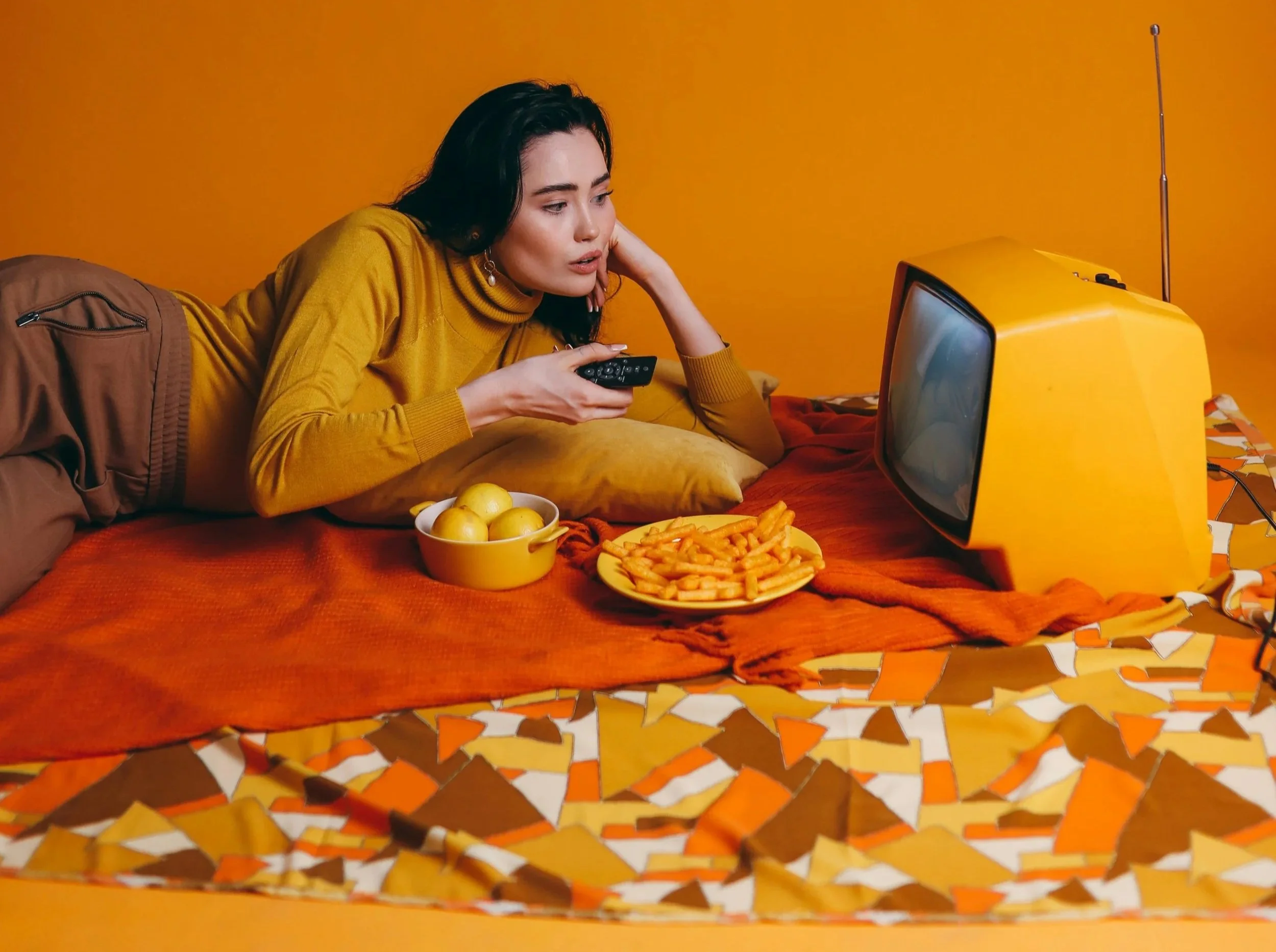
Photo Credit: KoolShooters
Mental Health Expert Ben Fox, explains why revisiting old favorites isn’t just a trend, but a coping strategy for stressful, uncertain times
Scrolling through TikTok or Spotify lately, you’ve probably noticed it: #Throwback playlists are trending, Friends memes flood Instagram, and reunion specials for 90s and early 2000s shows rack up millions of views. What looks like a pop culture revival is actually something deeper: a form of “nostalgia therapy” that many Americans are embracing, consciously or not.
According to Legacy Healing Center and the American Psychological Association, nostalgia isn’t about longing for the past; it’s about drawing strength from it. Studies show it can:
· Reduce loneliness by reminding people of meaningful friendships and family bonds.
· Boost optimism by recalling times when challenges were overcome.
· Increase social connectedness by triggering memories of shared experiences.
· Improve emotional regulation by anchoring people during stressful periods.
“People often underestimate the psychological power of nostalgia,” says Mental Health Expert, Ben Fox from Legacy Healing Center. “Revisiting positive memories can become a practical coping tool, especially for Millennials and Gen Z who face a constant barrage of stressors. When someone rewatches Friends or rereads Harry Potter, they’re not just consuming entertainment. Instead, they’re reactivating a network of feelings tied to belonging, comfort, and stability.”
Fox specializes in addiction and recovery at Legacy Healing Center, an addiction treatment provider with locations across the United States focusing on holistic healing. Drawing from his personal journey in recovery, he co-founded the center to provide compassionate, evidence-based care. Under his leadership, Legacy Healing Center has expanded across multiple states, offering a holistic approach to addiction recovery.
“Neurologically, nostalgia engages brain regions linked to reward and social bonding, releasing dopamine and oxytocin. That’s why it can be so soothing during anxious moments. Unlike unhealthy coping strategies, nostalgia is largely positive. It doesn’t erase stress, but it provides an emotional buffer. Of course, there’s a balance. If nostalgia becomes escapism that prevents someone from dealing with present realities, it can be counterproductive. But in moderation, it offers grounding. It reminds people of who they are, where they’ve come from, and the resilience they carry forward,” continues Fox.
A 2024 Spotify report showed a 35% jump in 90s and 2000s playlist streams among Gen Z listeners, or why old sitcoms remain some of the most-streamed content in the US.
What Gen Z and Millennials Are Watching & Listening to Now
Gen Z and Millennials are increasingly turning to nostalgia-driven media, embracing content from the '90s and 2000s. Here are some concrete examples:
TV Shows:
· Gilmore Girls
· The Vampire Diaries
· Gossip Girl
· Skins (UK)
· Sex and the City
Music:
· Imogen Heap – "Headlock"
· Jessie J – "Price Tag"
· Connie Francis – "Pretty Little Baby" (recently went viral on TikTok)
These shows and songs have seen a resurgence in popularity, particularly on platforms like TikTok, where the hashtag #noughtiesnostalgia has experienced a 36% year-over-year increase in usage, indicating a renewed interest in early 2000s culture.
Additionally, streaming services report that Gen Z is actively engaging with retro content, contributing to the revival of these cultural staples.
Why We Crave Nostalgia Now
· Uncertainty Fatigue: Economic pressures, political stress, and global crises make the past feel like a safe retreat.
· Social Media Amplification: Platforms like TikTok amplify nostalgia trends, turning them viral.
· Emotional Comfort: Familiar shows, books, and songs reduce decision fatigue: you already know the storyline, the lyrics, the ending.
“For anyone struggling with loneliness or anxiety, incorporating “nostalgia rituals” like weekly throwback playlists, rewatching a favorite comfort show, or reconnecting with childhood hobbies, can be surprisingly healing. It’s a reminder that sometimes the best mental health tools aren’t new apps or programs, but familiar joys from our past,” says Fox.
TRENDING

From statement lobbies to story-driven design, a new generation of hotels is turning a night away into something worth remembering.