
Expert Reveals the Design Secrets Behind the World's Most Immersive Hotels
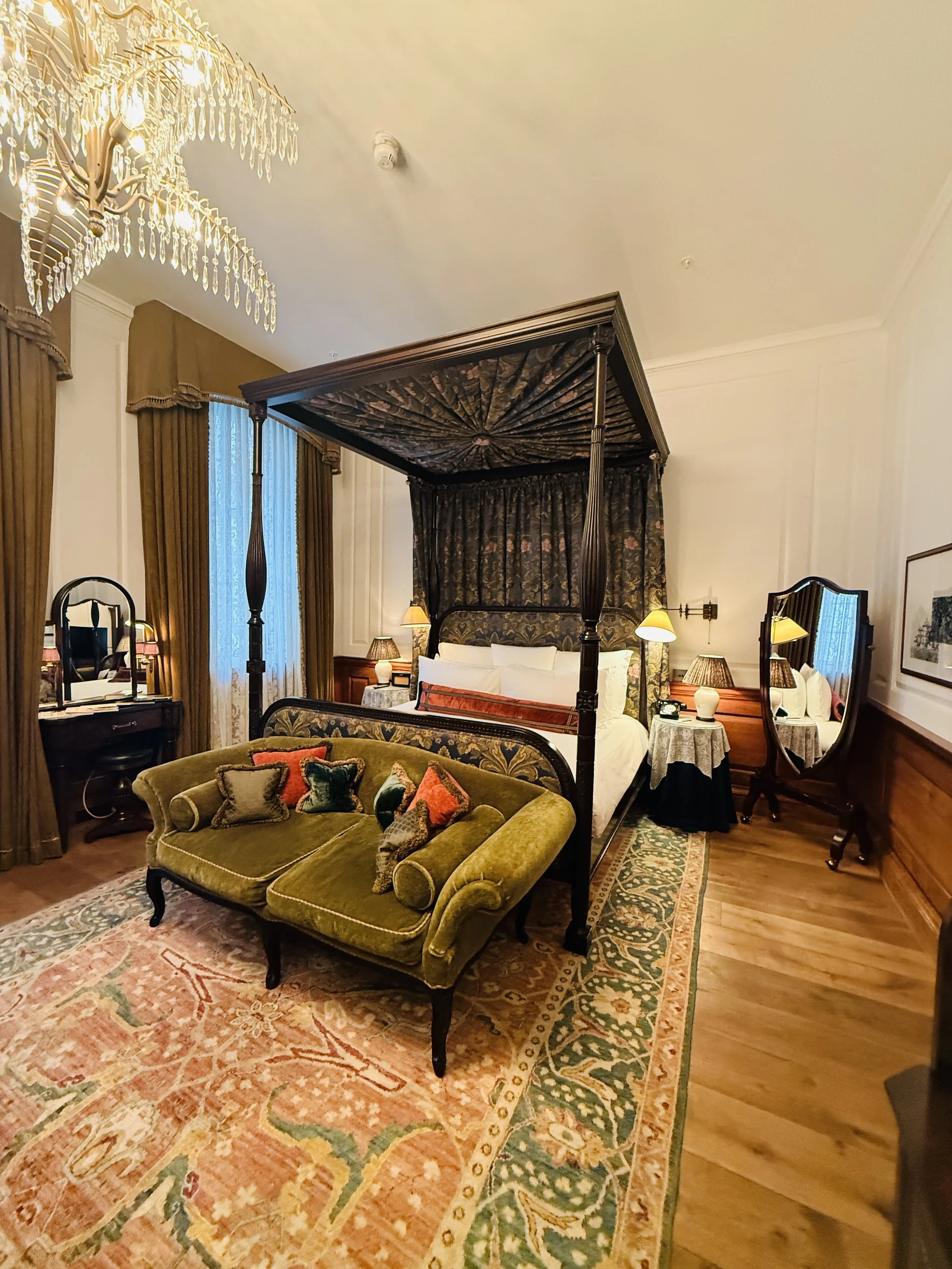
From statement lobbies to story-driven design, a new generation of hotels is turning a night away into something worth remembering…
Key Points:
Immersive hotels are one of the biggest trends in travel right now, with design, storytelling, and multi-sensory elements transforming the way people experience a stay
Expert reveals what makes a hotel truly immersive, from scent and sound to themed narratives and spaces designed around how guests move and feel
The expert says emotional value is becoming just as important as physical comfort for today's travelers
There was a time when a great hotel meant a comfortable bed, a decent breakfast, and a reliable Wi-Fi connection. That's no longer enough. A new wave of hotels is rewriting the rulebook, turning a night away into something guests want to talk about, photograph, and relive long after checkout.
This shift is being driven, in part, by social media and the rise of “experience-first” travel. Boutique and design-led hotels have moved into the mainstream, and the most talked-about properties are those that offer something different.
Noisy&Co, a UK-based hybrid creative agency specializing in immersive brand experiences and exhibition design, knows better than most what it takes to create an environment that truly captivates. Sam Allen, the Managing Director breaks down what makes a hotel immersive, and why the hospitality industry is increasingly taking its cues from the world of experiential design. Allen and his team understand high-impact spaces that don't just look impressive, but rather spaces that make people feel something.
What Makes a Hotel “Immersive”?
The word “immersive” gets used a lot in travel right now, but what does it actually mean in a hotel context? At its core, an immersive hotel is one where the experience of being there is just as important as the room itself. Every detail, from the lighting in the lobby to the art on the walls, is part of a deliberate narrative that invites guests in.
“An immersive hotel isn't just a place to sleep, it's a place you inhabit,” says Sam. “The best ones make you feel like you've stepped into a world that's been carefully thought through. There's a story being told, and you're part of it from the moment you arrive.”
Multi-Sensory Design Takes Centre Stage
Walk into one of the world's most talked-about hotels, and you'll notice it looks and feels different. Lighting, scent, sound, and texture are no longer afterthoughts. They're tools used deliberately to shape how guests feel in a space.
“When all the senses are engaged at once, the emotional impact is far greater,” Sam explains. “A carefully chosen scent can make a space feel calm and grounding. The right playlist can lift a mood. These details work on guests almost subconsciously, but they're what make a stay feel special rather than just comfortable.”
Design-Led Spaces That Encourage Sharing
Statement lobbies, rooftop bars with sweeping views, corridors that double as art installations, these are spaces designed with visual impact in mind. It helps to impress guests in person and travels far beyond the hotel's walls through the phones in guests’ pockets.
“A visually striking space does two things,” says Sam. “It creates a moment for the guest, somewhere they really want to be. But it also becomes free marketing when it's shared online. Hotels that design with both in mind are the ones generating the most buzz right now.”
“The hotels generating the most excitement right now are the ones that are most considered. Guests are walking away from stays and talking about how a place made them feel, not just what it looked like. That tells you everything about where hospitality is heading.
Going forward, the most successful hotels will be those that treat every touchpoint as part of the experience, from the scent in the corridor to the sound design in the restaurant. We’ll see more personalized spaces, more interactive elements, and a much greater focus on emotional impact. Technology will play a bigger role too, with hotels using it to tailor experiences to individual guests in ways that feel seamless rather than gimmicky.
The line between hospitality, entertainment, and design is already blurring. Hotels that invest in experience, not just amenities, are the ones that will be remembered, recommended, and returned to.”
Themed and Story-Driven Stays
Themed and story-driven hotels give guests comfort and context. A reason to be there. A world to explore. When a property is rooted in an authentic concept, whether that's local history, art, or culture, guests engage with it on a completely different level.
“When a hotel has a narrative running through it, guests no longer just check in and check out,” Sam says. “They're discovering details, making connections, and building memories around a specific place and feeling. That's incredibly powerful.”
Spaces Designed for How People Move and Feel
Immersive hotels think carefully about flow, zoning, and the way guests naturally move through a space. Open, intuitive layouts replace rigid structures, and rooms blur into one another, a lounge becomes a work spot, becomes a social hub, depending on the time of day.
“Hotels that apply experiential design thinking feel effortless to be in,” Sam explains. “You don't have to figure out where to go; the space guides you there naturally.”
Why Travelers Are Choosing Experiences Over Luxury Alone
For a growing number of travelers, particularly younger ones, luxury alone is no longer the deciding factor. The question has shifted from “how fancy is it?” to “how will it make me feel?” Emotional value, the sense of wonder, connection, or discovery a stay provides, is now a serious reason to book.
“People want to come home from a trip with a story,” says Sam. “Not just ‘the room was beautiful’, but something they experienced. Hotels that can offer that are the ones people are actively seeking out and recommending.”
TRENDING

Distributed as a ‘thank you’ souvenir to business class passengers on intercontinental routes; Every October 7 –KLM’s anniversary day the collection gets a new addition. This year it’s a winery from Zeeland…