
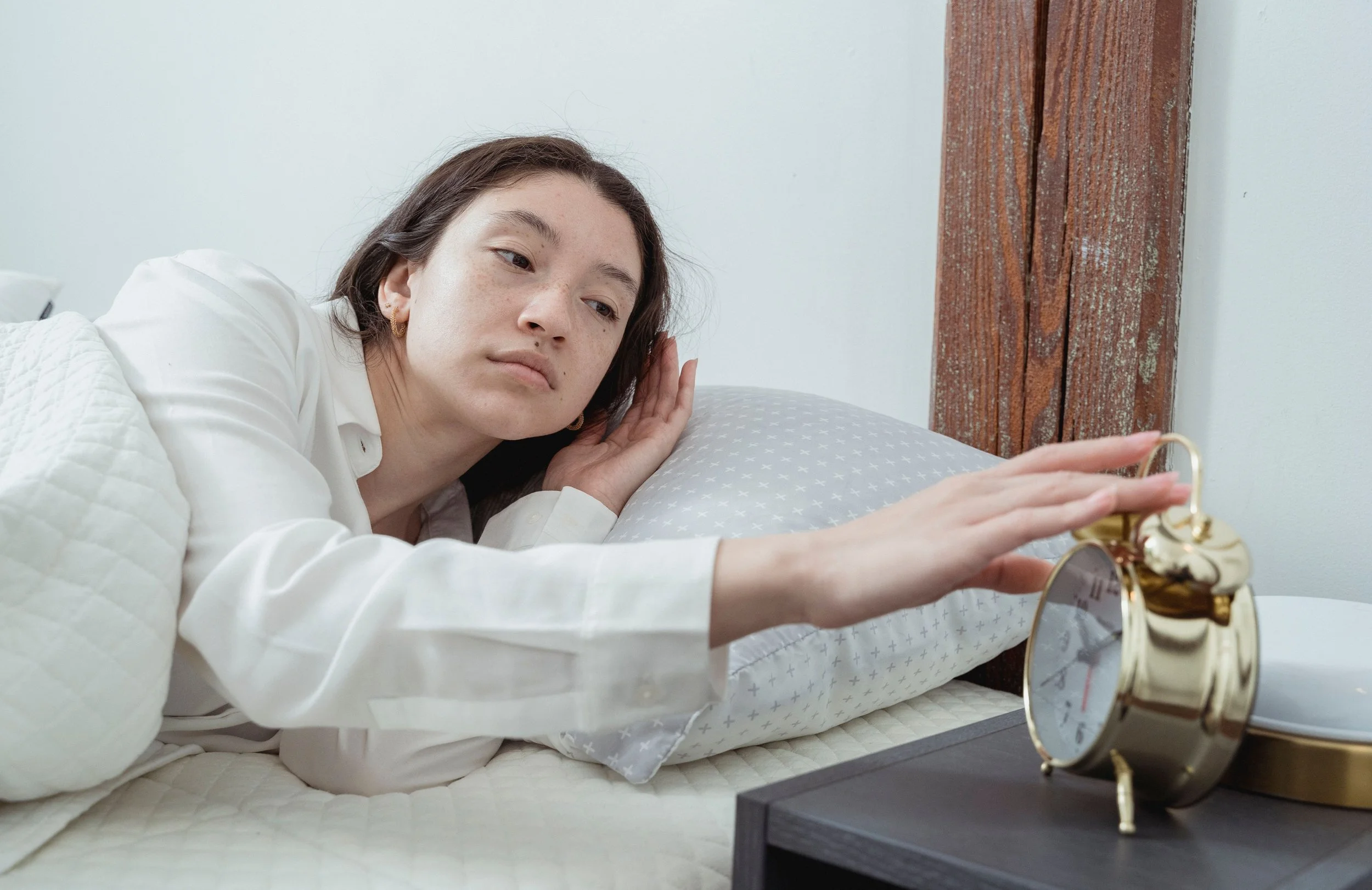
Women could feel worse after clocks go back this weekend as therapist explains surprising divide…
An extra hour might sound like good news, but a therapist has warned that men and women could experience very different emotional effects when the clocks go back this weekend.
With the UK returning to Greenwich Mean Time on Sunday, 25 October, research suggests the change may bring a lift for some people while leaving others struggling.
Researchers from Liverpool John Moores University and the University of Oxford surveyed more than 12,000 people before and after an autumn clock change. They reported a decline in women’s mental health and wellbeing immediately afterwards, while men reported improved wellbeing and greater satisfaction with life.
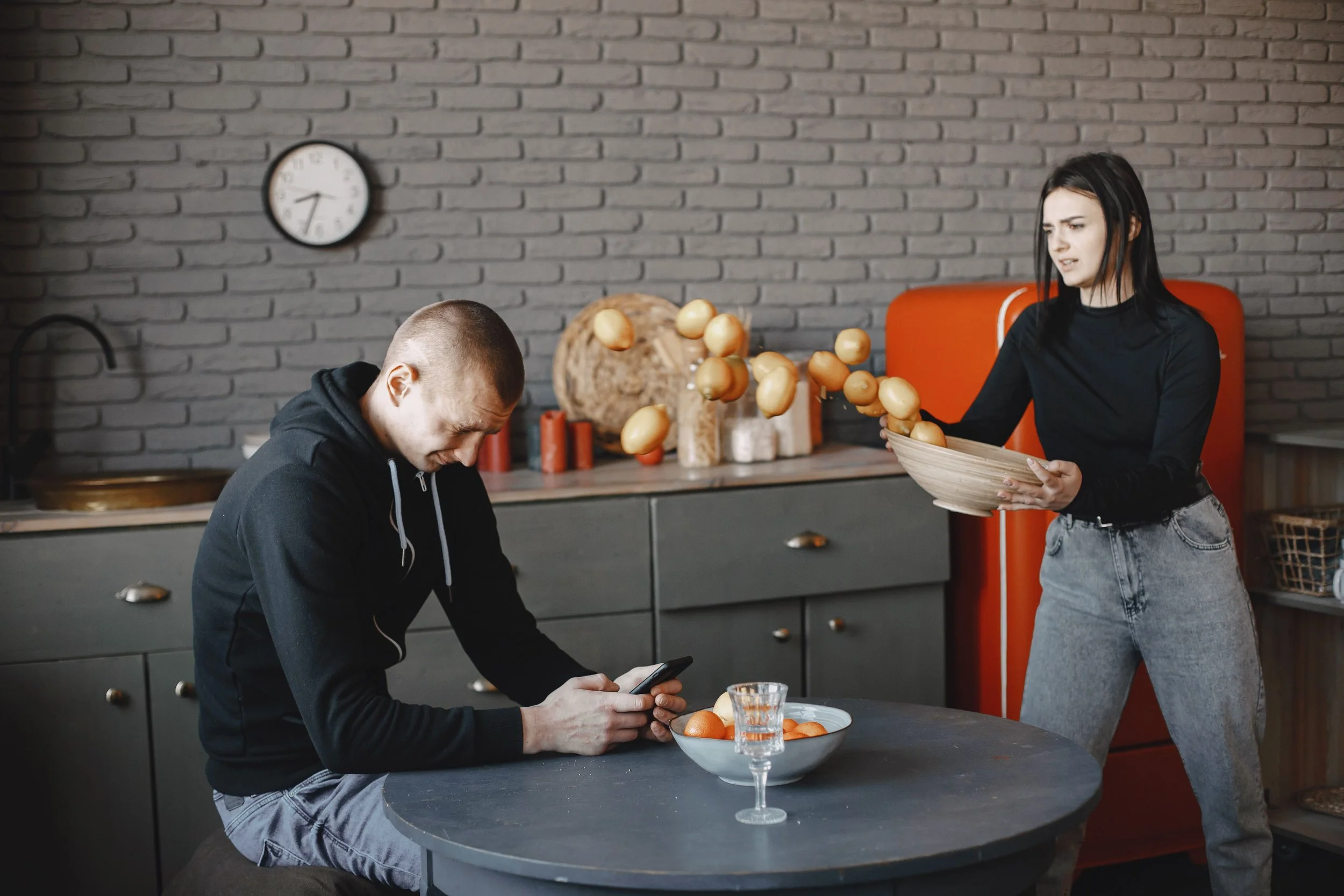
Natalie Buchwald, a therapist at Manhattan Mental Health Counseling, said the findings highlight why couples should avoid judging their partner’s reaction by how they feel themselves.
She said: “This does not mean every woman will struggle or every man will feel better. But it highlights how differently two people can experience the same change. You can live in the same house, turn back the same clocks and find that one person feels refreshed while the other feels unsettled or overwhelmed.”
Buchwald specializes in mood and eating disorders, helping individuals and couples improve their emotional wellbeing and build stronger relationships. Her approach emphasizes the connection between mind and body.
For couples, the practical starting point is to look at whose routine needs adjusting and who is doing the work of keeping everything running.
Buchwald explained: “If you have children, agree beforehand who will handle an early wake-up, breakfast and bedtime. Take responsibility for a whole task, including remembering and organizing it, so your partner does not have to manage you through it.
“Ask, ‘What would make tomorrow easier?’ That is more useful than telling someone they should be enjoying the extra time.”
She also recommends keeping the first few days manageable, rather than filling the additional hour with jobs that have been piling up. Leave some breathing room around morning commitments, get outside during daylight and keep meals and bedtime reasonably consistent.
For anyone feeling out of sorts, briefly noting their mood, energy and what felt difficult can help them explain what they need, rather than simply concluding they are failing to cope.
Buchwald added: “If your partner seems more irritable, check in before treating it as a problem between you. Equally, feeling unsettled does not make hurtful behavior acceptable. Explain what you are experiencing and ask for something specific, whether that is a quieter evening or sharing the morning routine.
“You do not have to react to the clock change in the same way to support each other. If low mood persists or starts affecting everyday life, speak to your GP or a mental health professional rather than writing it off as the clocks changing.”
TRENDING

Women could feel worse after clocks go back this weekend as therapist explains surprising divide…